Mobile and fixed autoclave systems that sterilize infectious healthcare waste either directly at facilities or at permanent on-site and regional plants — eliminating transport risks and open burning. Pilot data collected in Bamako, Mali. Deployable continent-wide.
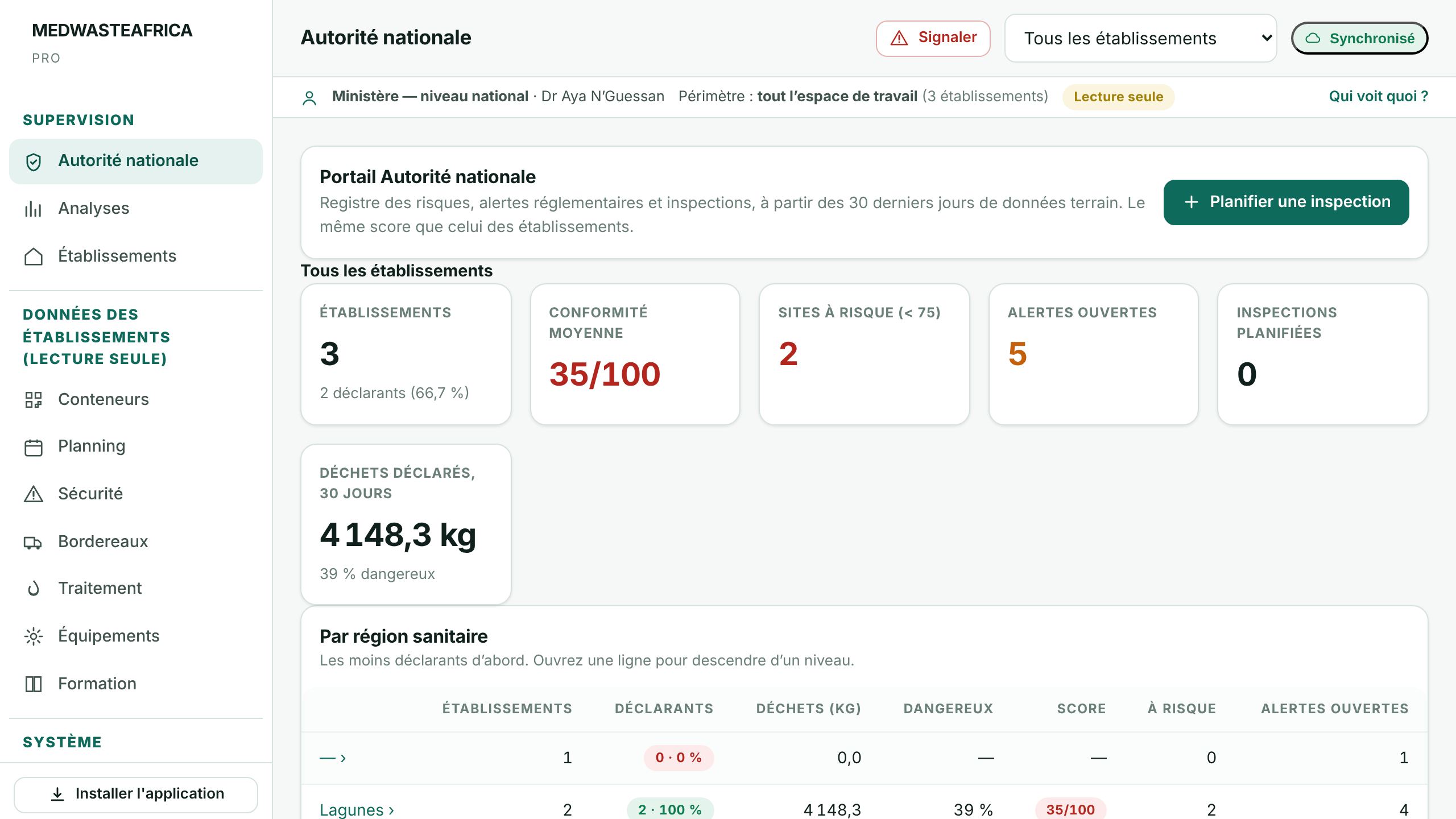
Real-time national oversightIntegration with national platformsWorks offline
The Crisis
A Silent Emergency Across Africa
Over 85% of healthcare waste is non-hazardous, but the remaining 15% is highly infectious — and most of it goes untreated.
Health Risks
Healthcare workers and communities face infections from improperly handled sharps, blood-soaked materials, and expired pharmaceuticals.
Environmental Damage
Open burning of medical waste releases toxic dioxins and furans, contaminating air, soil, and water sources across communities.
Lack of Infrastructure
Most healthcare facilities in sub-Saharan Africa lack any form of regulated waste treatment system, leaving waste untreated.
Our Solution
Mobile & Fixed Waste Treatment
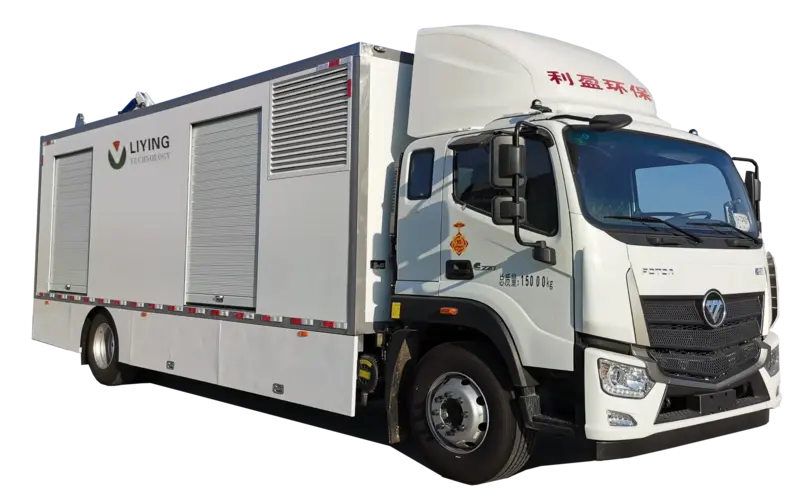
Proven autoclave sterilization designed for Africa — available as mobile units that travel to facilities, or fixed plants installed on-site, sustainable and deployable in any country.
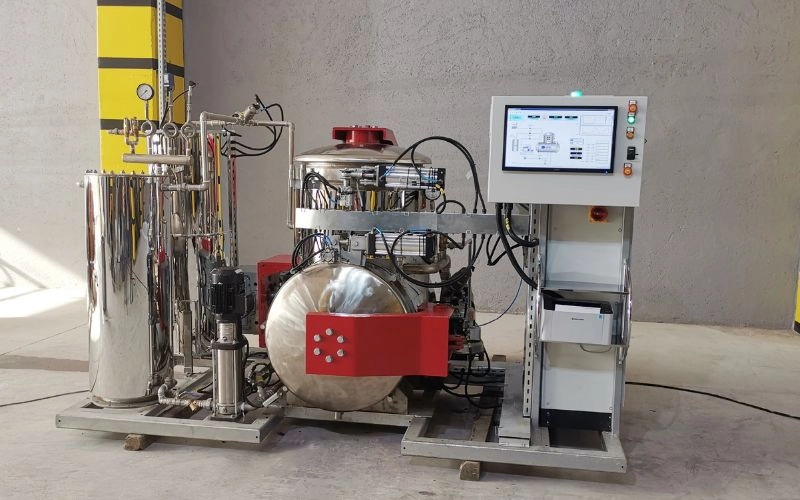
A permanent, high-capacity sterilization system installed on-site at a hospital or operated as a shared regional treatment hub — for facilities with high, steady waste volumes.
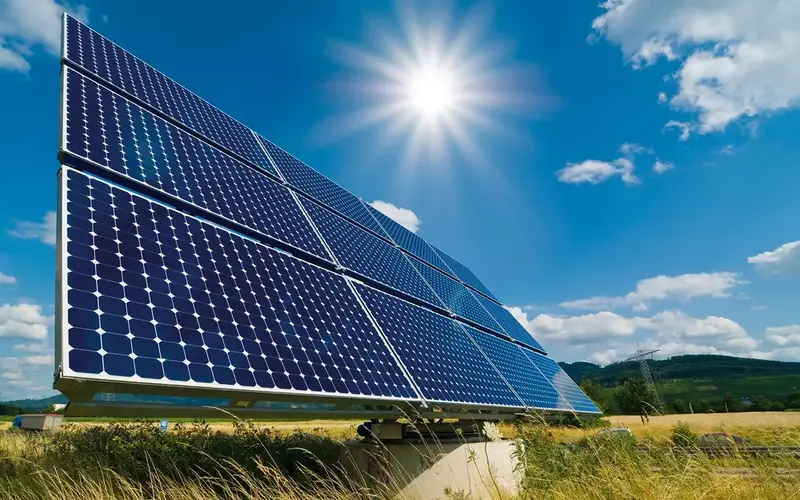
Truck-Mounted Solar Power
Solar panels and lithium batteries are mounted directly on the truck, making the unit fully autonomous, sustainable, and ideal for off-grid regions — no reliance on unstable power grids.
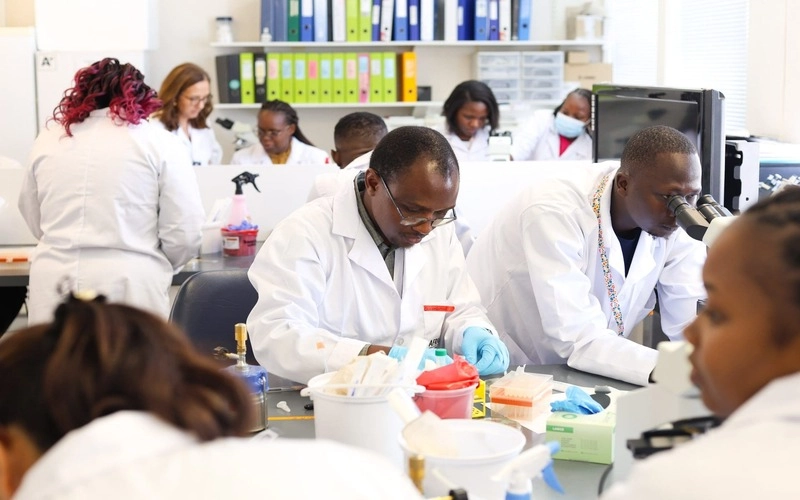
Medical Staff Training
A structured training program to educate medical staff on the dangers and proper handling of medical and hazardous waste, with continuous training to maintain best practices.
End-to-End Waste Management
From collection through shredding and on-site autoclave sterilization to safe disposal — a complete chain of custody for infectious medical waste, with no need for transport to external facilities.
The Process
How It Works
The MedWaste Africa model follows a closed-loop process designed to improve safety, efficiency, and accountability throughout the healthcare waste chain.
Step 1
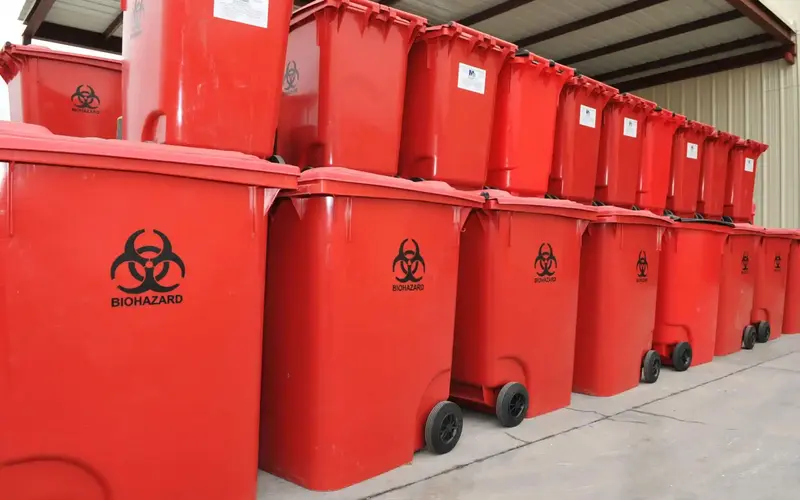
Collection
Waste is safely collected in compliant containers from healthcare facilities.
Step 2
On-Site / Plant Treatment
The mobile unit arrives on-site, or waste is treated at the fixed plant — no external transport needed.
Step 3
Shredding
Sharps and solid waste are mechanically shredded to reduce volume and improve sterilization.
Step 4
Autoclave Sterilization
High-pressure steam sterilization destroys all pathogens, rendering waste non-hazardous.
Step 5
Safe Disposal
Sterilized, non-hazardous waste is safely disposed of in standard landfills.
Projected Impact
Estimated Outcomes Based on Field Assessment
All figures below are projections derived from ground survey data collected during the pilot phase in Bamako, Mali, and reflect the expected impact of a single deployed mobile unit.
3.67M
People in Service Area
Estimated population that would benefit from proper waste treatment, based on pilot assessment in Bamako, Mali.
580
Tons Treatable / Year
Projected metric tons of infectious waste the mobile unit can process annually, based on field capacity estimates.
95%
Infection Risk Reduction
Expected reduction in healthcare-associated infection risk from proper autoclave sterilization of medical waste.
50+
Staff Trained / Year
Medical personnel trained annually on hazardous waste classification, handling, and treatment protocols.
Strategic Value
Why This Project Matters
This isn’t just waste management — it’s a commitment to human dignity, public health equity, and environmental stewardship.
Public Health Protection
Proper sterilization of sharps, blood-soaked materials, and expired pharmaceuticals reduces needle-stick injuries and healthcare-associated infections in underserved facilities.
Environmental Compliance
Replacing open burning with autoclave treatment eliminates toxic dioxin and furan emissions, protecting air quality, soil, and water sources around healthcare facilities.
Scalable Across Africa
The mobile unit model, piloted with field data from Mali, is designed to be adapted and deployed in any African country based on local waste volumes and regulatory requirements.
Funding Overview
Investment Required: $800,000
We are seeking approximately $800,000 to build and deploy the first mobile autoclave waste treatment unit. Funding is open to institutional donors, development agencies, impact investors, and private sponsors.